

Tuina as Therapeutic Massage:
What to Expect and Who It’s For?
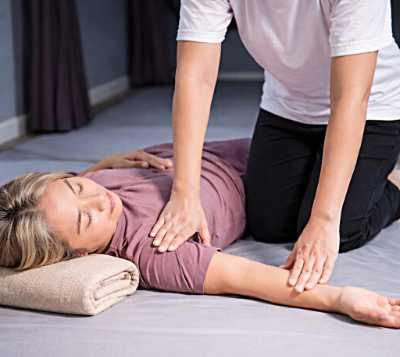 Tuina (推拿, tuīná) is often introduced as a form of therapeutic massage, but that description only partially captures what people experience on the treatment table. For those interested in yangsheng, nourishing life through regular, supportive practices, Tuina occupies a middle ground between clinical treatment and everyday self-care. It is hands-on, practical, and grounded in traditional Chinese medicine, yet accessible to people who may not be seeking acupuncture or herbal therapy.
A Tuina session does not feel like a spa massage. The intention is not primarily relaxation, even though many people do feel calmer afterward. The practitioner works with the body in an attentive, responsive way, using the hands to assess tension, movement, and circulation. Techniques may include rolling, pressing, kneading, gentle stretching, and joint mobilization. Some areas may feel pleasantly warming and loosening, while others may feel more focused or corrective. Communication matters, and a good practitioner adjusts pressure and pace to suit the individual.
People often notice that Tuina has a purposeful quality. The practitioner may spend more time on certain areas, then move on quickly from others. This is because Tuina is guided by how the body responds rather than by a fixed routine. Even for general wellness sessions, the treatment follows what the body presents that day. Stiffness, fatigue, or restlessness are approached as signals rather than problems to be forced into submission.
Tuina is especially well suited for people dealing with everyday discomfort that accumulates over time. Neck and shoulder tension, low back stiffness, limited range of motion, and general aches related to aging or sedentary habits are common reasons people seek it out. Unlike treatments that isolate a single sore spot, Tuina often improves how the whole body feels and moves. Many people describe feeling more coordinated, grounded, or upright after a session, not just less sore.
From a yangsheng perspective, Tuina supports circulation and adaptability. In Chinese medicine, smooth movement of qì (气) and xuè (血) is associated with vitality and resilience. When circulation improves, tissues receive nourishment more effectively, and recovery becomes easier. This is why Tuina can feel restorative even when the techniques are active rather than soothing. It encourages the body to do what it is designed to do, which is regulate itself.
Tuina can also be appropriate for people who are not comfortable with needles or who prefer a more direct, tactile approach. It is commonly used alongside acupuncture, qigong, or herbal therapy, but it can also stand on its own as a supportive practice. For some, it becomes a regular part of seasonal maintenance, similar to adjusting diet or activity with the time of year.
There are situations where Tuina may not be appropriate, particularly during acute injury, fever, or severe illness. A qualified practitioner will screen for these concerns and adapt or postpone treatment when necessary. For most people, however, Tuina is gentle enough to be used regularly and flexible enough to meet changing needs.
Ultimately, Tuina is well suited for those who value hands-on care with a clear purpose. It is not about indulgence or quick fixes. It is about maintaining ease of movement, supporting circulation, and listening to the body before small imbalances become larger ones. For people interested in long-term wellbeing, Tuina offers a practical and grounded way to support health through touch, awareness, and consistency.