

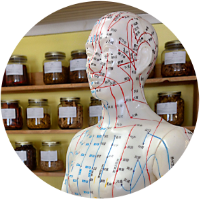

Your Skin as a Reflection of Balance
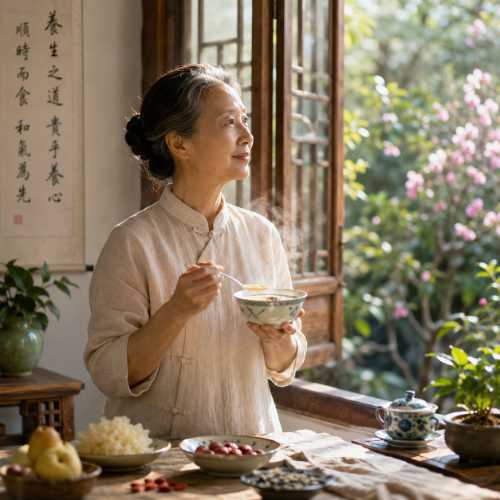 In traditional Chinese thought, healthy skin was never viewed as merely cosmetic. A clear complexion, healthy color, and resilient skin were traditionally understood as outward signs of internal harmony. Long before modern wellness culture connected beauty with sleep, stress, diet, and lifestyle, Chinese yǎngshēng (养生), or “nourishing life,” approached the skin as a reflection of the body’s overall balance.
This perspective appears throughout Chinese medicine and traditional culture. Rather than focusing only on surface treatments, classical health practices emphasized circulation, digestion, emotional calmness, seasonal living, and proper rest. The face in particular was considered a visible indicator of vitality. A dull complexion, dryness, puffiness, or excessive redness might suggest imbalance within the body rather than simply a problem of the skin itself.
Traditional Chinese medicine associated the skin most closely with the Lung system, which was said to govern the body’s surface and regulate moisture through the opening and closing of the pores. The condition of the Blood was also considered important because it nourished the tissues and supported healthy color. Good digestion mattered as well, since the body was believed to transform food into the qì (气) and Blood needed to sustain vitality throughout the body, including the skin.
As a result, diet played a significant role in traditional beauty practices. Foods believed to nourish fluids and support healthy skin included pears, sesame seeds, walnuts, bone broths, lily bulb, red dates, and goji berries. One ingredient especially associated with beauty was tremella mushroom, known as yín’ěr (银耳), or snow fungus. Often prepared in sweet soups and desserts, it was traditionally valued for its moistening qualities and is still widely promoted in Chinese health culture today.
Rice water was another common traditional remedy. Women in many regions rinsed the face or hair with water left from soaking or cooking rice. Fermented rice water contains starches and natural compounds that can soften the skin and improve texture temporarily. Similar practices remain popular throughout East Asia.
Historical beauty culture also placed great importance on protecting the skin from excessive sun exposure. Pale skin became associated with refinement and social status because it suggested a life spent indoors rather than laboring in the fields. Women often carried parasols or wore hats and sleeves designed to shield the face from the sun. While modern attitudes toward tanning differ in many Western countries, East Asian skin care traditions still strongly emphasize sun protection and maintaining an even complexion.
Many famous traditional ingredients also became associated with skin care over the centuries. Pearl powder, called zhēnzhūfěn (珍珠粉), was used both internally and externally and was believed to brighten the complexion and calm irritation. Ginseng appeared in elite beauty preparations because it was associated with vitality and circulation. Herbs such as dāngguī (当归), white peony root, licorice, green tea, and lotus were also incorporated into traditional formulas.
Stories surrounding the Qing dynasty court, especially those connected with Empress Dowager Cixi, helped popularize the image of elaborate Chinese beauty rituals involving pearl powder, floral waters, jade rollers, and carefully controlled diets. Some of these accounts were likely exaggerated, but they reflected a broader cultural idea that appearance and health were closely linked.
Modern skin care products in China still draw heavily from these traditions. Ingredients such as rice ferment, green tea, ginseng, mugwort, snow mushroom, and pearl continue to appear in creams, masks, and serums. Yet the older yǎngshēng approach reminds us that true skin health was traditionally thought to come from much more than cosmetics alone.
In the classical Chinese view, healthy skin reflected balance in daily life itself. Proper sleep, moderate emotions, good digestion, regular movement, and seasonal awareness were all believed to shape the complexion. Beauty was not separated from health. It was seen as one of its visible expressions.