

Simple Tuina for Daily Yangsheng:
Self-Massage to Support Circulation and Relaxation
Tuina (推拿, tuīná) is often associated with clinical treatment, but its roots also include simple, everyday practices meant to support health over time. Within the tradition of yangsheng, nourishing life through consistent habits, self-massage plays an important role. These methods are not intended to replace professional care. Instead, they help maintain circulation, ease accumulated tension, and cultivate awareness of the body’s changing needs.
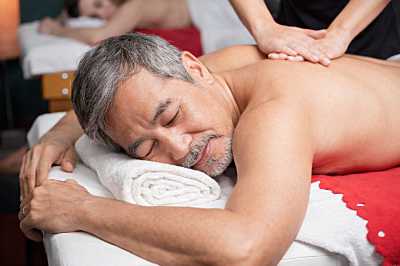 Many Americans are more familiar with shiatsu, a Japanese bodywork method that developed partly from Chinese medical ideas. Like shiatsu, Tuina uses pressure, rubbing, and gentle manipulation, but it is guided by Chinese medicine’s view of circulation and balance. When adapted for daily self-care, Tuina becomes straightforward and intuitive. It requires no special tools, no memorized sequences, and no forceful effort.
From a yangsheng perspective, the purpose of self-Tuina is not to fix problems but to prevent stagnation. In Chinese medicine, smooth movement of qì (气) and xuè (血) supports warmth, flexibility, and mental ease. Long periods of sitting, stress, or repetitive movement gradually interrupt this flow. Self-massage offers a way to reset circulation before discomfort becomes habitual.
Simple rubbing and warming techniques are a good place to begin. Using the palms to rub the lower back, abdomen, or joints generates heat and encourages local circulation. The hands should feel relaxed and connected, not mechanical. When warmth spreads easily, it is a sign that the body is responding. When it does not, gentler pressure and slower rhythm are usually more effective than pushing harder.
Pressing and kneading can also be used in areas that commonly hold tension, such as the neck, shoulders, hips, and feet. The intention is to soften and invite release rather than force change. Breathing naturally while applying pressure allows the nervous system to settle, which often leads to deeper relaxation than the technique alone. This combination of touch and breath is one reason Tuina self-care feels grounding rather than stimulating.
Self-Tuina is especially useful at transitional moments in the day. In the morning, light massage helps wake the body and encourage circulation after sleep. In the evening, slower and more deliberate touch supports winding down and releasing the day’s accumulation. Over time, these small rituals help the body recognize regular cues for activity and rest.
Unlike exercise, self-Tuina requires very little physical exertion. This makes it accessible to older adults or those recovering from fatigue or illness. It can also be adapted easily. Some days the body may want more stimulation. Other days it may prefer quiet contact and warmth. Yangsheng emphasizes responding to these fluctuations rather than maintaining rigid routines.
It is important to keep expectations realistic. Self-Tuina supports comfort, mobility, and relaxation, but it does not replace diagnosis or treatment for persistent pain or serious conditions. If discomfort worsens or fails to improve, professional guidance is appropriate. Within its proper role, however, self-massage is remarkably effective.
Practiced regularly, simple Tuina cultivates familiarity with one’s own body. Subtle changes in temperature, tension, or sensitivity become easier to notice. This awareness is itself a form of nourishment. By listening through the hands and responding early, self-Tuina supports the larger goal of yangsheng: maintaining balance through steady, attentive care rather than waiting for imbalance to demand attention.