German Western Physician Integrates Tai Chi into Lung Cancer Rehabilitation in Taiwan
A unique cross‑cultural health initiative in Taiwan is blending Western medical training with Traditional Chinese Medicine (TCM) and Tai Chi to support lung cancer patients’ recovery after surgery. Dr. Ma Peide, originally trained and licensed as a physician in Germany, came to Taiwan 17 years ago out of a deep passion for Chinese martial arts and traditional healing practices. He subsequently earned a Taiwanese TCM medical license and now serves as a TCM physician and adjunct professor at China Medical University Hospital, where he also teaches health and wellness courses rooted in Chinese medicine.
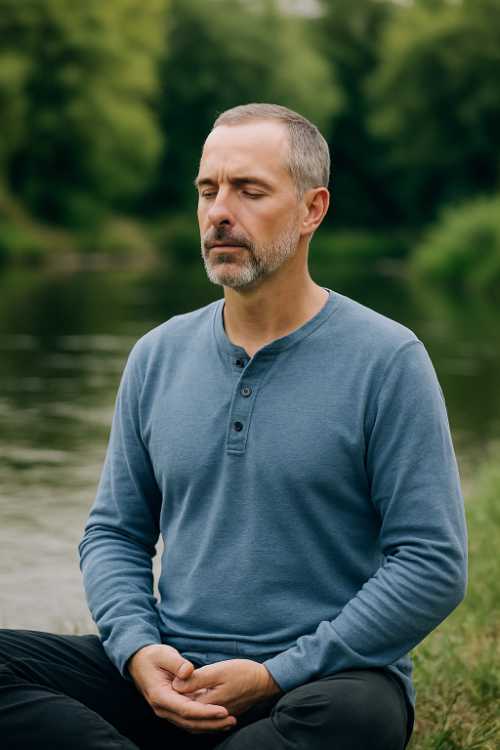
Drawing from both Western and Eastern medical perspectives, Ma has been collaborating with multidisciplinary clinical teams, including oncology and thoracic surgery departments, to introduce an integrative rehabilitation protocol centered on “Tai Chi Lung‑Nurturing Method” (太極養肺法). Tai Chi is a gentle, slow‑movement martial art that emphasizes coordinated bodily movement with deep, diaphragmatic breathing — elements that may be particularly beneficial for individuals whose lung function has been compromised by surgery.
According to clinical staff involved, many lung cancer patients experience reduced pulmonary capacity, shortness of breath, muscle weakness, and fatigue following tumor resection and adjuvant therapies. Conventional Western treatment typically focuses on removing cancer and controlling disease, while TCM and related movement therapies like Tai Chi can support overall vitality, promote relaxation, enhance respiratory mechanics, and help patients rebuild strength in the months after surgery.
One patient shared that after three months of Tai Chi practice under Ma’s guidance, she experienced noticeable improvement in breathing comfort, exercise tolerance, and general well‑being. The combined approach is presented as complementary care, not a substitute for standard oncological treatment, yet one that may improve quality of life and support recovery.
Original article in Chinese: https://tw.news.yahoo.com/