
Goji Berry: A Traditional
Tonic with Modern Appeal
Among the many foods associated with health in the Chinese tradition, few are as recognizable today as the goji berry. Known in Chinese as gǒuqǐzǐ 枸杞子, the small red fruit has long been used in soups, teas, porridges, and tonic dishes. In recent decades it has also become familiar in the West as a so-called “superfood.” While some of the claims made for it are exaggerated, goji remains a good example of a traditional food whose reputation rests on more than fashion alone.
Goji berries come primarily from species of Lycium, especially Lycium barbarum. In China, the fruit has been valued for centuries as both a food and a medicinal substance. This overlap is important. Goji is not usually approached as a strong or dramatic remedy, but as a gentle nourishing food that can be used regularly over time. That makes it a natural subject for a series on food as medicine.
Traditionally, goji berries are associated with nourishment and replenishment. In Chinese herbal thought, they are often said to support the liver and kidneys and to benefit the eyes. These traditional descriptions do not translate directly into modern biomedical categories, but they point toward an old recognition that certain foods may contribute to long-term vitality rather than simply satisfy hunger.
From a nutritional standpoint, goji berries contain carbohydrates, fiber, small amounts of protein, and a range of micronutrients and phytochemicals. They are especially known for carotenoids, including zeaxanthin, a pigment that is also found in the retina of the eye. This is one reason goji has attracted scientific interest in relation to eye health. The berries also contain vitamin C, various polyphenols, and unique polysaccharides that are frequently discussed in research on immune and metabolic effects.
Much of the modern enthusiasm for goji centers on these compounds. Laboratory and animal studies have suggested antioxidant activity, immune effects, and possible benefits for metabolic health. Some small human studies have explored goji’s effects on general well-being, blood sugar regulation, and visual function. The results are interesting, but they should be interpreted cautiously. Goji is a nutritious food, not a miracle cure, and it should not be presented as a substitute for medical treatment.
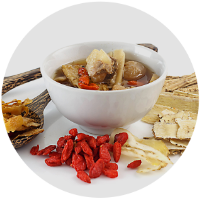
This distinction matters because goji’s real value may be simpler and more believable than many promotional claims suggest. It is an easy food to include in daily life. A small handful can be added to oatmeal, rice porridge, tea, soup, or trail mixes. In Chinese cooking, it is often included in broths and mild tonic dishes, where it contributes a subtle sweetness as well as nourishment. Used in this way, goji is less about taking a medicinal dose and more about supporting the diet with a traditional, nutrient-rich ingredient.
For those who grow their own, goji has another appeal. It becomes less a packaged health product and more a living food source, something cultivated, harvested, and used with familiarity. That shifts the emphasis away from marketing and back toward the older idea that health can be supported by ordinary things eaten regularly and sensibly.
Goji berry deserves its place in the "Food as Medicine" category because it represents a sensible middle ground. It has a long cultural history, meaningful nutritional value, and enough scientific interest to justify attention. In the end, its greatest strength may be the most traditional one: it is a food first, and a tonic second.