
Chinese Jujube: A Traditional Fruit
for Everyday Nourishment
Chinese jujube, Ziziphus jujuba, is one of the clearest examples of a food that comfortably occupies the border between nourishment and medicine. Known in Chinese as dàzǎo 大棗, the fruit has been eaten for centuries in China and is still commonly added to soups, porridges, teas, desserts, and herbal preparations.
Fresh jujubes are crisp and mildly sweet, somewhat like a small apple. As they dry, they become darker, sweeter, and more concentrated in flavor. In the West they are sometimes called Chinese dates or red dates, although they are botanically unrelated to true dates.
From a nutritional standpoint, jujubes provide carbohydrates, dietary fiber, minerals, and a range of plant compounds. Fresh fruit is particularly notable for vitamin C, while both fresh and dried jujubes contain polyphenols, flavonoids, triterpenic acids, and polysaccharides. Researchers have become especially interested in the polysaccharides and phenolic compounds because laboratory studies suggest antioxidant, anti-inflammatory, and immune-modulating activity.
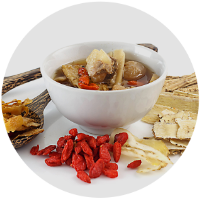
Jujube has an equally strong traditional reputation. In Chinese medicine, dàzǎo is considered sweet and gently warming. It is traditionally used to strengthen qì, support the digestive system, nourish the blood, and moderate the actions of other herbs in formulas. It frequently appears in combinations rather than being used as a powerful medicine by itself.
This gentle reputation is part of what makes jujube particularly interesting. It has never been simply a medicinal substance stored in an herbal pharmacy. It is also ordinary food.
Modern research supports the idea that jujube contains biologically active compounds, but the evidence should be kept in perspective. Studies have examined potential effects on blood sugar, inflammation, immune function, liver health, and gastrointestinal function. Much of this research, however, has been conducted in laboratory or animal models rather than in large human clinical trials. Reviews of the scientific literature consistently note the need for better clinical studies before specific therapeutic claims can be made.
One area with limited human evidence is digestive health. A small controlled clinical trial using a jujube extract found improvement in chronic constipation and intestinal transit time. This is interesting because traditional Chinese medicine has long regarded jujube as supportive of digestion, but a single small study is not enough to establish it as a treatment.
As a food, however, jujube does not need to prove that it treats a disease in order to be valuable. It can be chopped into oatmeal or rice porridge, simmered in soup, steeped with tea, or eaten dried as a snack. Its natural sweetness also makes it useful in traditional desserts.
Dried jujubes are much more concentrated in sugar and calories than the fresh fruit, so portion size matters, particularly for people monitoring carbohydrate intake. That does not make them unhealthy; it simply means they should be treated more like dried fruit than fresh fruit.
Chinese jujube fits the "Food as Medicine" idea especially well because its value has never depended on dramatic claims. It is a nutritious fruit, a traditional tonic, and an everyday ingredient that has been incorporated into Chinese diets for generations.
Perhaps that is the most useful lesson it offers. Food as medicine does not always mean using food to treat illness. Sometimes it simply means choosing foods that nourish well enough to become part of a long-term approach to health.