What Does “Holistic” Really Mean?
The word “holistic” appears everywhere in healthcare. It is used to describe medical clinics, massage practices, nutritional programs, herbal products, and almost every form of complementary treatment. For some people, it suggests thoughtful care of the whole person. For others, it has become a marketing term with no clear meaning.
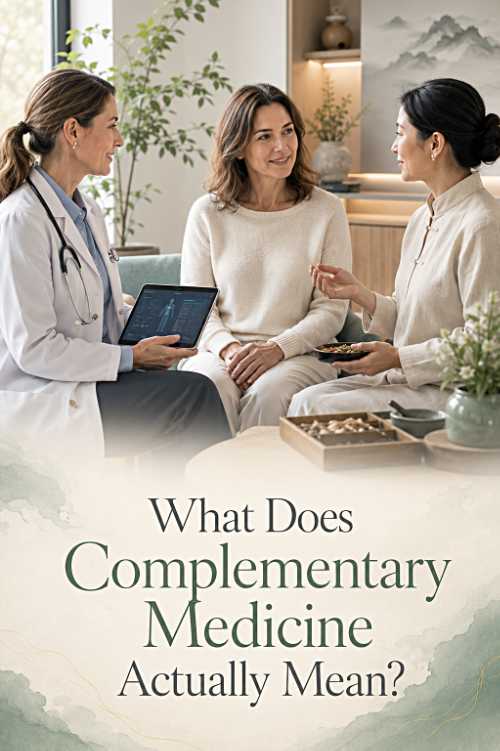
At its simplest, holistic care means considering the person as a whole rather than focusing only on a single symptom or body part. Health is influenced by physical condition, emotional state, daily habits, relationships, work, environment, culture, and personal beliefs. These factors interact, and each may affect how illness develops, how symptoms are experienced, and how well a person responds to treatment.
A person seeking help for recurring headaches, for example, may need more than pain relief. The headaches might be influenced by muscle tension, vision problems, medication use, disrupted sleep, dehydration, emotional stress, or a medical condition requiring further investigation. A holistic approach considers these possibilities while still taking the immediate symptom seriously.
Holistic does not mean rejecting modern medicine. Surgery can be part of holistic care when it is the most appropriate treatment. So can antibiotics, diagnostic imaging, physical therapy, psychotherapy, nutrition counseling, acupuncture, or meditation. The question is not whether a treatment is natural or technological. The question is whether it serves the needs of the whole person.
This distinction matters because the word is sometimes used to suggest that natural therapies are automatically gentle and pharmaceuticals are automatically harmful. Neither assumption is reliable. Herbs can cause adverse effects and interact with medications. Prescription drugs can save lives and restore a person’s ability to function. Responsible holistic care evaluates benefits and risks rather than sorting treatments into “natural” and “unnatural” categories.
Traditional Chinese medicine is often described as holistic because it looks for relationships among symptoms. A practitioner may ask about digestion, sleep, energy, emotions, appetite, and temperature preferences even when the patient’s main concern is pain. These observations help form a broader Chinese medical pattern.
That wider attention can be valuable, but it does not mean that traditional explanations answer every medical question. A complete approach may still require laboratory testing, imaging, or examination by a physician. Looking at the whole person should include using the most appropriate methods to identify serious disease.
Holistic care also means listening to what matters to the patient. Two people with the same diagnosis may have different needs and priorities. One may be most concerned about reducing pain, while another wants enough strength to work in the garden, play with grandchildren, or return to Taijiquan practice. Treatment is more meaningful when it supports the life the person is trying to live.
At the same time, care should not become so broad that the original problem disappears beneath theories about lifestyle or emotional balance. A patient should not be blamed for becoming ill because of insufficiently positive thoughts, imperfect eating habits, or a supposed failure to maintain harmony. Compassion and careful investigation remain essential.
True holistic care is not defined by candles, herbs, soft music, or a particular medical tradition. It is defined by attention. It considers the disease without reducing the patient to a disease. It addresses symptoms while looking for contributing causes. It respects personal experience while remaining open to scientific evidence.
To treat the whole person does not require choosing one system and rejecting another. It requires asking what this individual needs, what can be safely offered, and how the different parts of care can work together.