
Why Changing Your Diet Is Hard—
And Why It’s Worth It
Many people understand, at least in theory, that diet strongly influences health. Yet knowledge does not always translate into action. It is common to continue eating in familiar ways until a diagnosis or physical discomfort forces a change. By that point, the body may already be struggling with conditions that developed slowly over many years. From the perspective of traditional Chinese health practices, this reactive approach is backwards. Prevention, not crisis management, is considered the higher form of care.
 Why is change so difficult, even when the benefits are clear? Part of the answer lies in habit. Eating patterns form early in life and become deeply ingrained. Food is tied to family traditions, social gatherings, comfort, and reward. Changing one’s diet can feel like changing one’s identity or separating from familiar routines. In addition, modern life often encourages convenience over nourishment. Processed foods are quick, inexpensive, and engineered to taste appealing, while preparing fresh meals requires planning, time, and basic cooking skills that some people never fully develop.
Physiology also plays a role. Highly refined carbohydrates, sugars, and fats stimulate powerful reward pathways in the brain. These foods can create cycles of craving and energy fluctuation that make moderation difficult. When people attempt to switch suddenly to lighter, less processed foods, they may experience temporary fatigue or dissatisfaction, not because the new diet is inadequate, but because the body is adjusting. Without understanding this transition, many abandon the effort prematurely.
Traditional Chinese medicine (TCM) approaches dietary change gradually. Instead of extreme restrictions, it emphasizes restoring balance. For example, reducing overly greasy or sugary foods while increasing simple, cooked meals such as vegetables, grains, soups, and modest portions of protein allows the digestive system to recover without shock. Warm, regular meals are favored over erratic eating patterns or excessive cold foods, which are thought to weaken digestive function over time. The goal is not perfection but consistency.
Motivation often improves when people focus on positive outcomes rather than deprivation. Better digestion, steadier energy, improved sleep, clearer thinking, and reduced inflammation can appear within weeks of modest dietary improvements. These tangible benefits reinforce new habits more effectively than abstract promises of future health. In TCM terms, nourishing the body supports the vital energy that underlies physical and mental resilience.
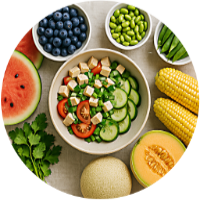
Practical steps can make the transition manageable. Start by adding beneficial foods rather than only removing harmful ones. Include a vegetable at each meal, replace sugary drinks with water or tea, and aim for regular meal times. Cooking simple dishes at home even a few days per week can significantly reduce reliance on ultra-processed foods. Over time, taste preferences adjust, and formerly appealing foods may begin to seem excessively salty, sweet, or heavy.
Social support is also important. Family members who share meals influence each other’s habits, for better or worse. Making dietary improvements together reduces the sense of isolation and increases accountability. Cultural traditions can be helpful here, as many traditional cuisines, including Chinese home cooking, naturally emphasize balance, variety, and moderation.
Ultimately, changing one’s diet is not a temporary project but a long-term shift in lifestyle. Difficulties are normal, and setbacks are part of the process. What matters is persistence. Each meal offers another opportunity to nourish rather than burden the body. Over months and years, these ordinary choices accumulate into extraordinary effects.
Food cannot guarantee perfect health, but it remains one of the most powerful tools we have to influence how we age and how we feel each day. By approaching dietary change patiently and realistically, the benefits become not only possible but sustainable.